Get closer to discover.
Students search for clues across campuses and parks. Spatial anchors connect real places with AR content, making approach, discovery, and observation part of the task.
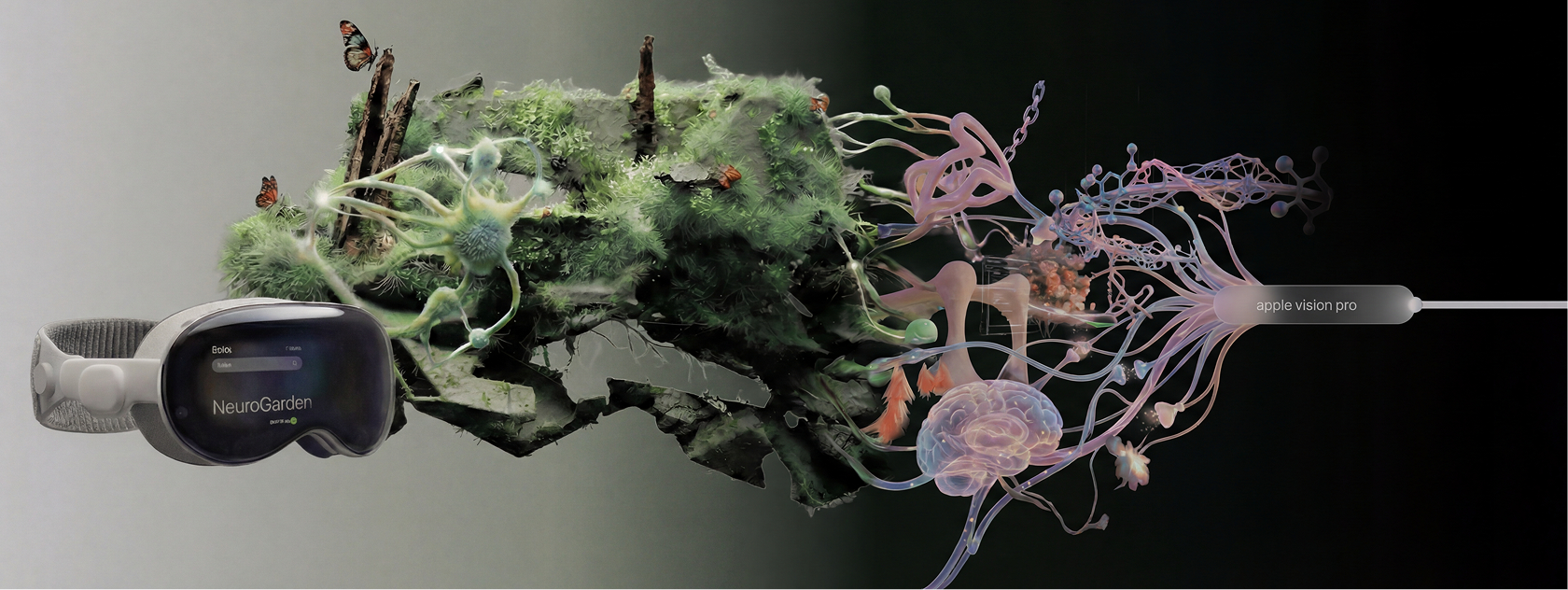
Step into nature and touch the invisible connections.
A spatial journey through exploration, perception, and self-understanding.
NeuroGarden is an AR biology education serious game concept for high school students, designed for Apple Vision Pro. It connects campuses, parks, and exhibition spaces into an outdoor classroom: walking, exploration, and collaboration in real environments trigger AR tasks; dopamine and endorphin companions guide students to collect petals, enter VR micro experiments, and gradually restore the neural garden, linking abstract neuroscience with everyday experience.
Watch the concept film for outdoor exploration and spatial learning.
Students search for clues across campuses and parks. Spatial anchors connect real places with AR content, making approach, discovery, and observation part of the task.
Through gestures, students select, collect, and combine virtual petals, then use spatial windows and VR micro experiments to explore how neural signals travel.
Walking, route choices, and sustained exploration become game input. Paths, companions, and flowers change with progress, making anticipation, persistence, and feedback visible.
The digital sandbox is a spatial diagram of the learning flow, organizing five experiment nodes. The five scene images serve as VR experiment backgrounds inside those nodes, connecting outdoor exploration, task triggers, and micro experiment observation.
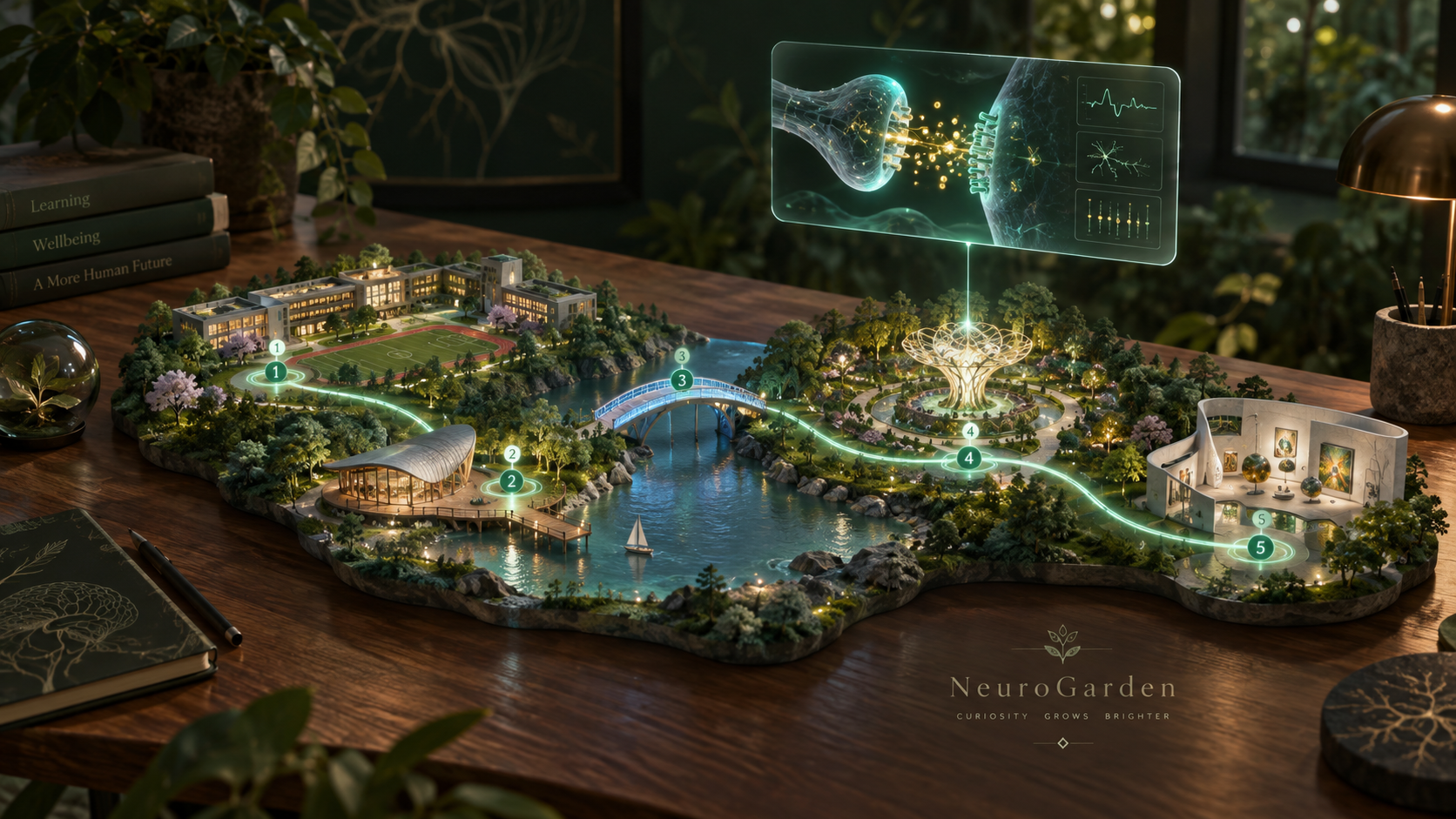
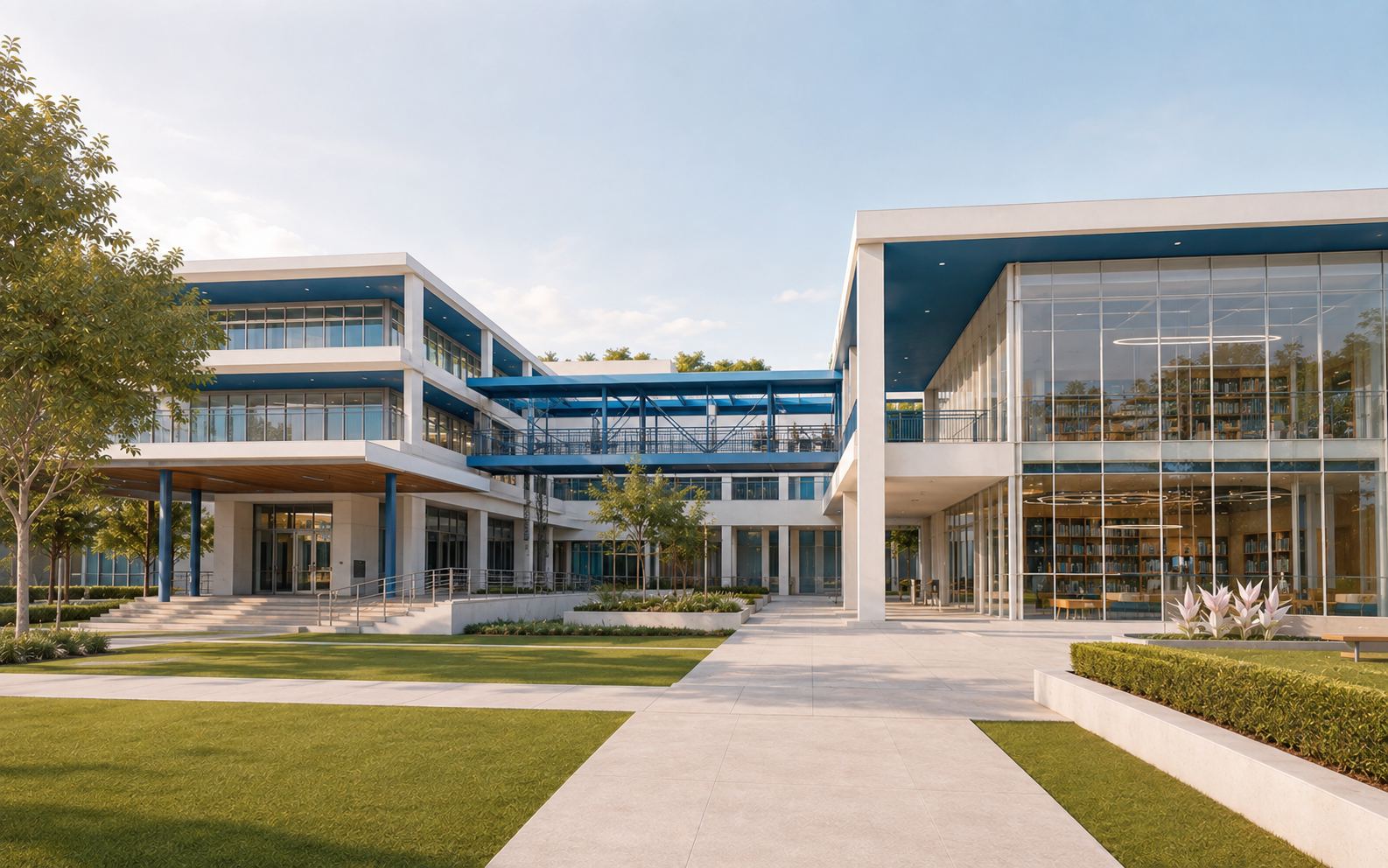
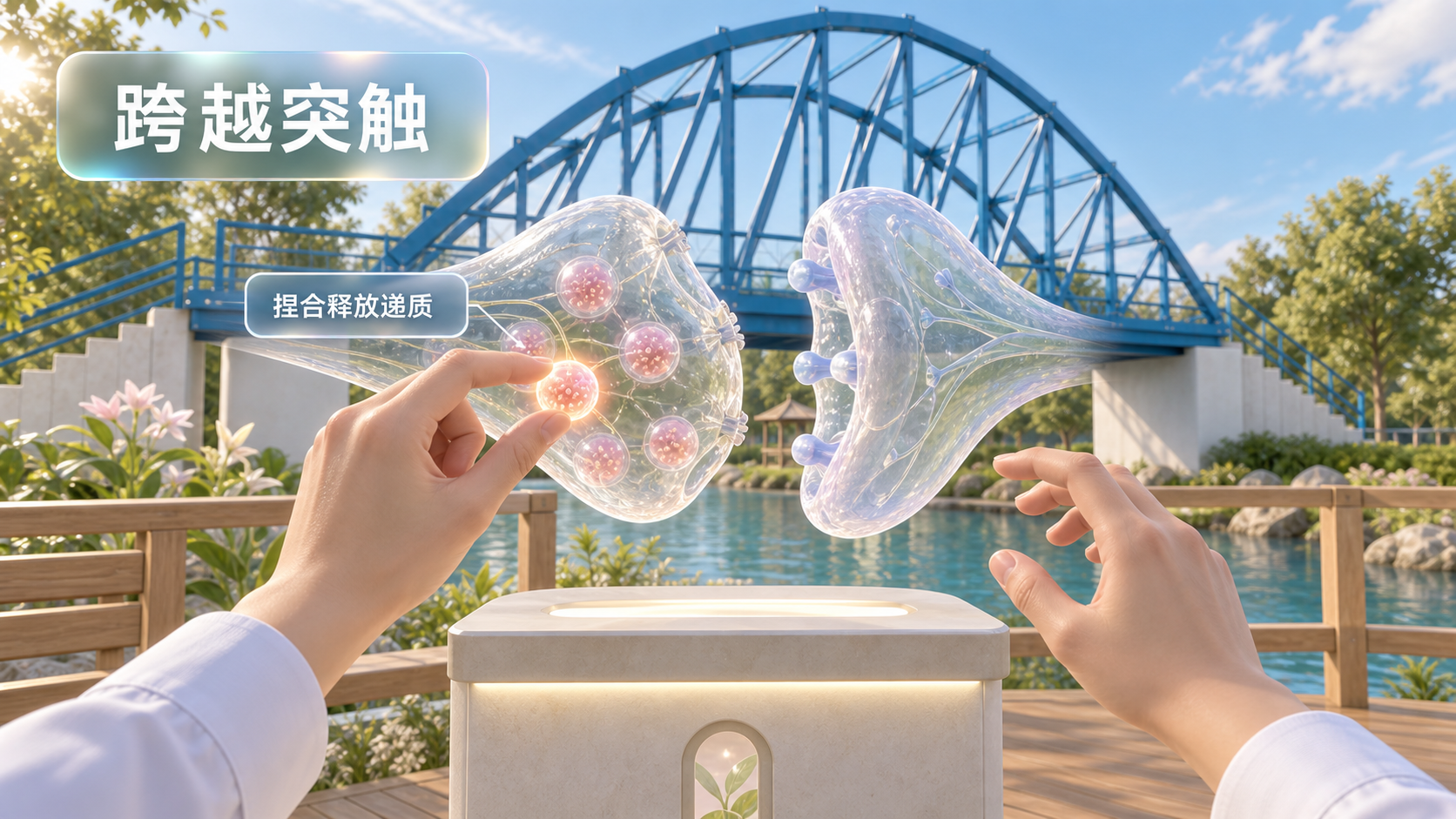
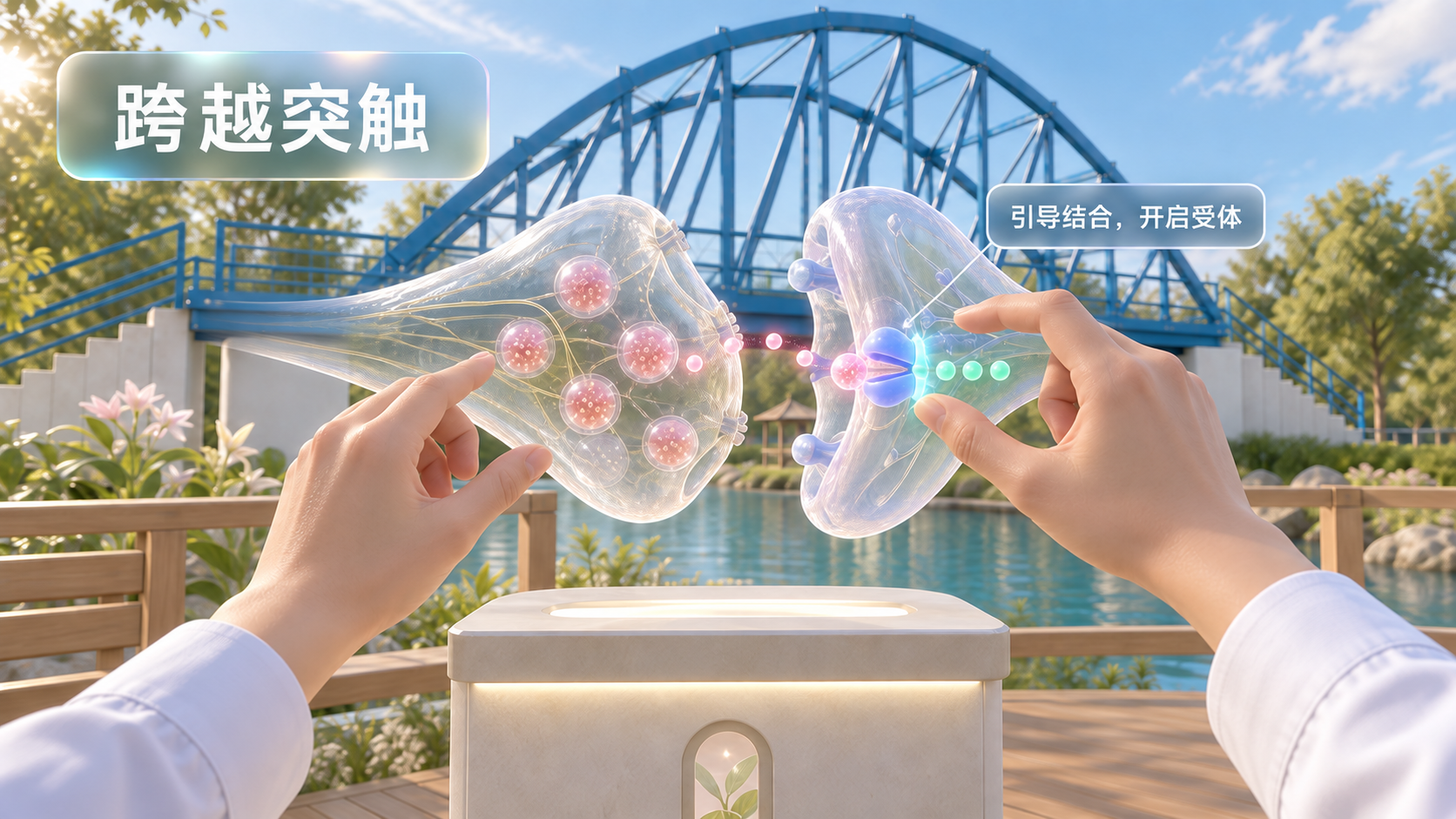
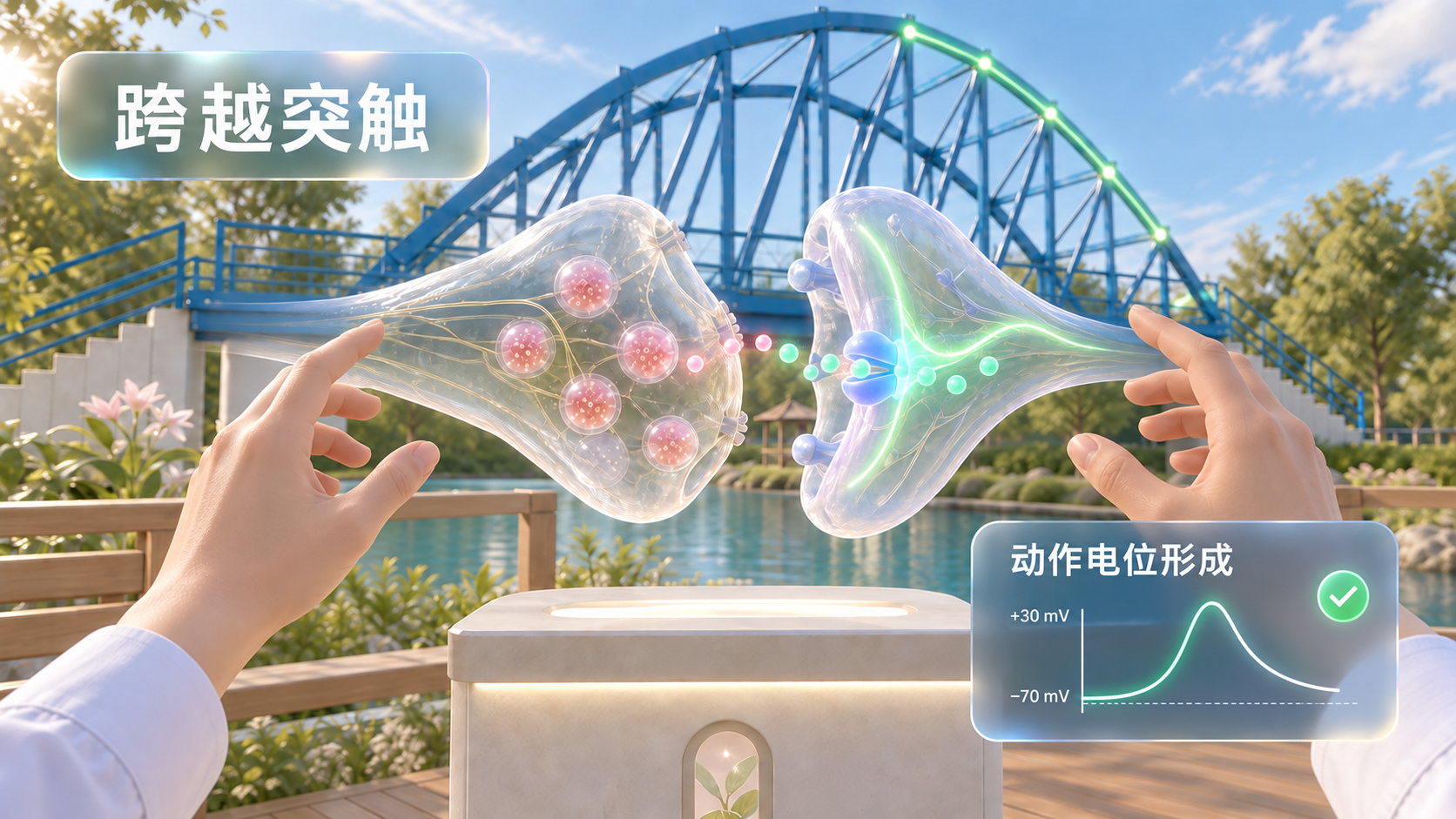
Outdoor exploration raises the question; VR micro experiments make the process visible. In the “Crossing the Synapse” experiment, gestures simulate neurotransmitter release and receptor binding, allowing students to observe ion flow and membrane potential changes.
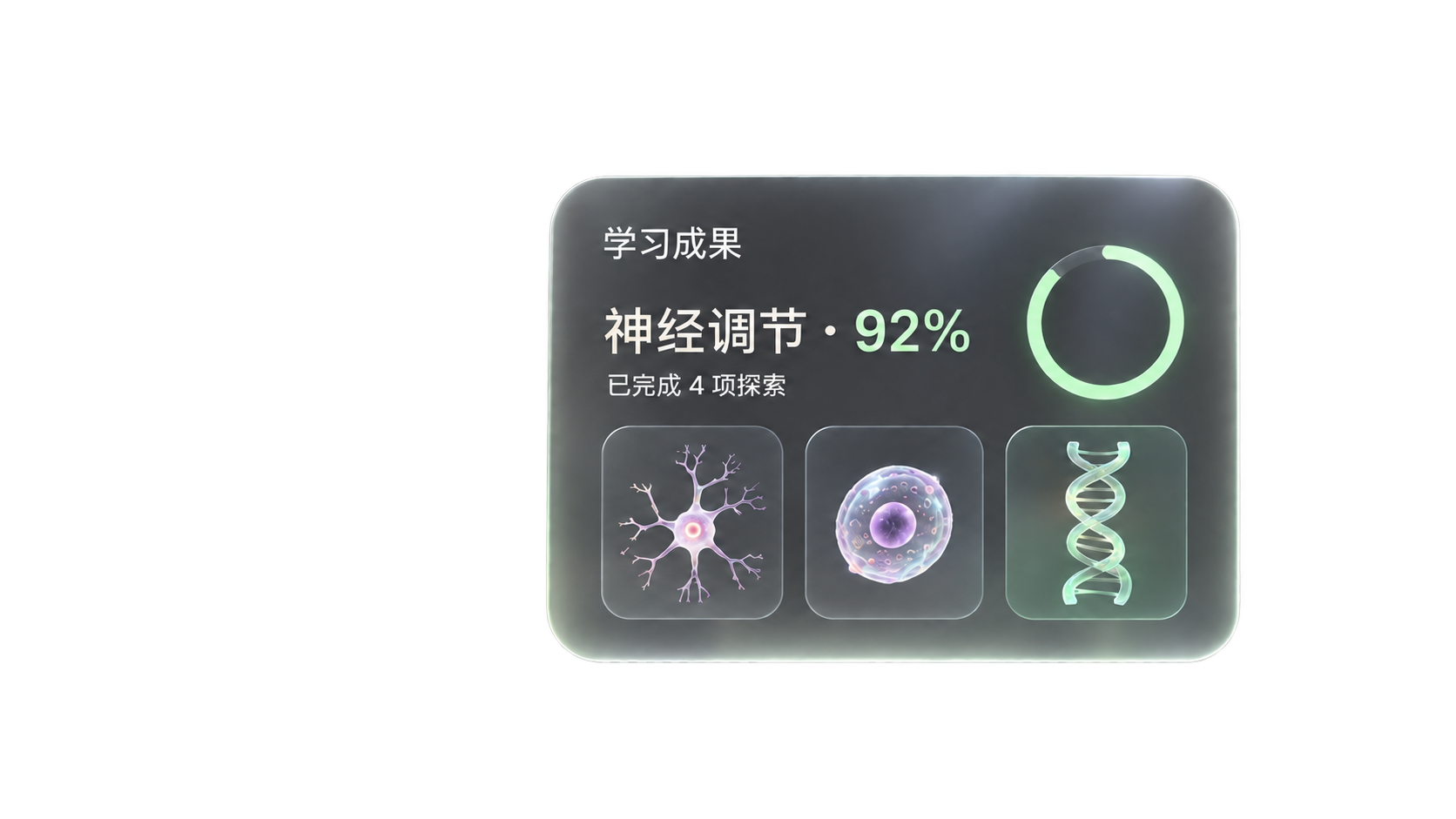
At the end of the journey, students review their exploration and micro experiments. This interactive virtual gallery presents a concept for learning reflection, garden restoration, and commemorative badges.
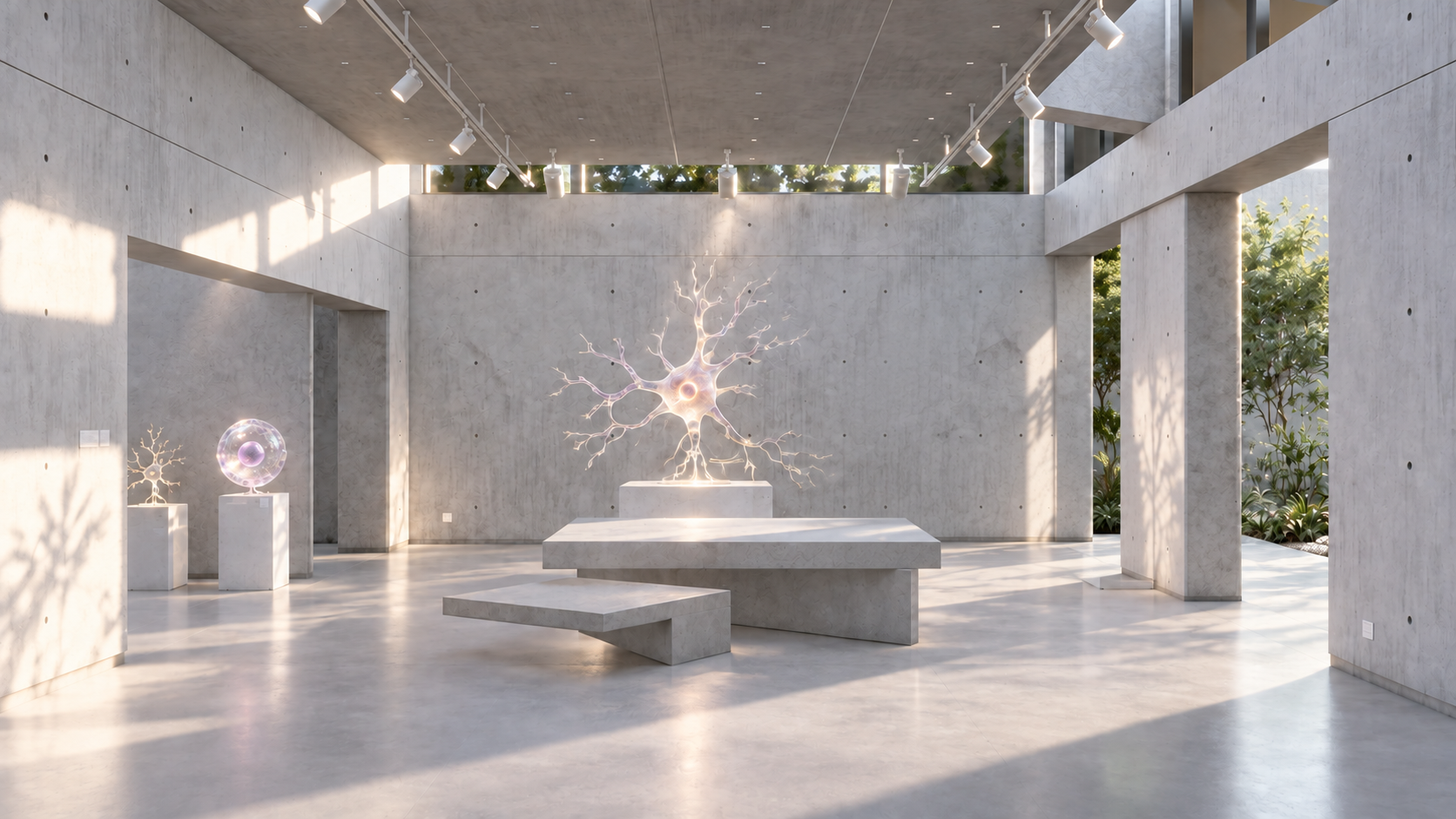
Drag to look around · Scroll to zoom
Dopamine and endorphin appear as two companions, turning anticipation and sustained effort into playable learning mechanics. From finding petals to walking steadily and placing energy crystals together, they help the neural garden bloom again.

A guide built around motivation and anticipation. It leads students to find three petals and discover routes; in the game, chasing immediate rewards can make the path unstable, prompting reflection on choices and feedback.
The design uses real places as spatial anchors, blending AR companions, clues, and learning windows into the surrounding environment. Outdoor discovery and VR micro experiments connect body movement, interaction, and knowledge.
Start with a clue found outdoors, then observe an artistic visualization of neural signals and biological mechanisms inside a spatial window.
Operate micro experiments and compare feedback, so choices and outcomes form a relationship instead of becoming a memorized answer.
Gather energy crystals, witness the companions and garden bloom together, review the exploration, receive badges, and extend the learning memory through garden models.
Learning about life can also feel alive.
Rediscover NeuroGarden ↗NeuroGarden is an AR biology education serious game concept for Apple Vision Pro, exploring how learning can move from the classroom into campuses, parks, and exhibition spaces. Real walking and exploration connect AR tasks, while VR micro experiments help students understand abstract mechanisms. The five scene images on this page only represent VR experiment backgrounds. Characters and neural state feedback are expressed as educational game mechanics, and the imagery presents a design vision.